Choosing a dental lab means comparing quality control, materials, turnaround time, remake policies, digital capability and communication—not just price. The right laboratory should consistently deliver restorations that meet your clinic’s functional, aesthetic and workflow requirements while helping reduce avoidable remakes and chairside adjustments.
Whether you run a single dental practice, a multi-chair clinic, an implant-focused practice or a digital-first clinic, choosing the right dental laboratory can have a direct impact on your daily workflow and patient experience.
This 10-point checklist can help dentists and clinics evaluate a dental lab before moving a large volume of cases.
What Does a Dental Lab Do?
A dental laboratory manufactures dental restorations and appliances prescribed by dentists.
Common products include:
- Dental crowns
- Dental bridges
- Implant restorations
- Removable restorations
- Dentures
- Night guards
- Provisional restorations
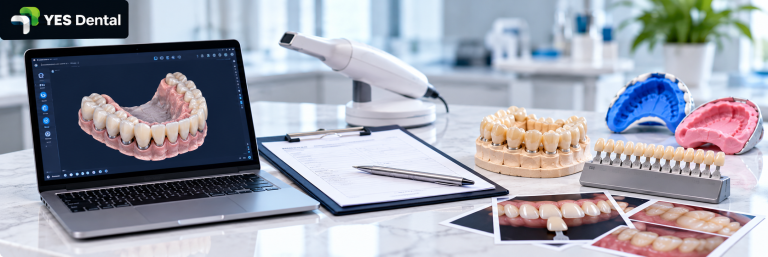
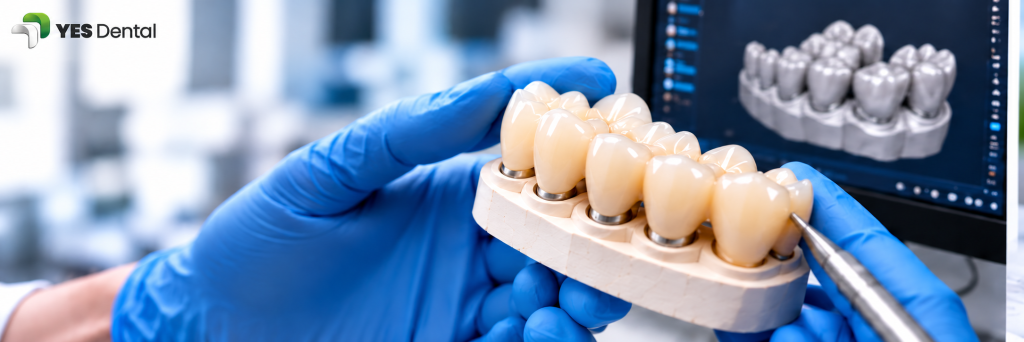
Modern laboratories may work with physical impressions, intraoral scan data or both. Depending on the restoration, production can involve digital design, milling, printing, casting, sintering, finishing and quality control.
Labs can differ significantly in their materials, equipment, technicians, quality-control processes, turnaround times and communication systems. That’s why comparing the right factors is more useful than simply comparing prices.
10-Point Dental Lab Checklist for Clinics

1. Check the Quality Control Process
Ask: What is checked before my case is dispatched?
A reliable lab should be able to explain its quality-control process.
Depending on the restoration, checks may include:
- Margins
- Contacts
- Occlusion
- Anatomy
- Surface finish
- Shade
- Component compatibility
Don’t be satisfied with a general answer such as “everything is checked.” Ask what is actually inspected before the restoration leaves the facility.
2. Ask About Materials
Ask: Which materials and material brands do you use?
Material selection can influence the appearance, strength and application of a restoration.
For zirconia restorations, for example, ask which zirconia types are available and whether the laboratory can provide information about the material being used.
You can also compare different crown materials in our guide to Zirconia Crown vs PFM Crown.
3. Check the Product Range
Ask: Can the lab handle most of my clinic’s restoration requirements?
A clinic may require different products over time, including crown and bridge restorations, implant restorations, removable restorations and night guards.
Working with a laboratory that can support multiple restoration categories can simplify communication and case management.
You can explore YES Dental’s Crown & Bridge solutions as an example of a dedicated restoration category.
4. Evaluate Digital Capability
Ask: Can I submit cases directly from my intraoral scanner?
For digital-first clinics, this is an important consideration.
Ask whether the lab accepts common digital scan formats such as STL, PLY or OBJ and whether it works with your intraoral scanning workflow.
Also ask:
- How are digital cases submitted?
- Is case tracking available?
- Can designs be reviewed before manufacturing?
- How are missing or unclear files handled?
A clear digital workflow can simplify case communication and reduce the handling associated with physical impressions.
For more information, see our article on the Digital Crown & Bridge Workflow.
5. Confirm Turnaround Time
Ask: What is your typical turnaround for each product?
Don’t rely on a single general turnaround promise.
Ask specifically about:
- Single crowns
- Bridges
- Implant restorations
- Full-arch cases
- Removable restorations
- Rush cases
Also ask what happens if a case is delayed and how the clinic will be informed.
A slightly longer but reliable turnaround is often more useful than an unrealistic promise that is frequently missed.
6. Understand the Remake Policy
Ask: What happens if the restoration doesn’t fit or needs a remake?
A clear remake policy should explain:
- What qualifies for a remake
- What information the clinic needs to provide
- Who is responsible for the remake
- How quickly the remake is processed
This is one of the most important questions to ask before sending regular case volume.
7. Evaluate Communication and Support
Ask: Who do I contact when there is a problem with a case?
Look for:
- A clear point of contact
- Phone or WhatsApp support
- Timely responses
- Case-status updates
- Clear communication about problems
Good communication can prevent small case issues from becoming appointment delays.
A useful laboratory should also communicate when information is missing or a case requires clarification before manufacturing.
8. Check Technical and Clinical Expertise
Ask: Who designs and reviews my restorations?
Experience matters, particularly for complex cases.
Ask whether the laboratory has technicians or digital specialists who can identify potential issues before manufacturing.
For complex cases, also ask whether the lab provides design approval before production.
This gives the dentist an opportunity to review the proposed restoration before it moves to the manufacturing stage.
9. Ask for Samples or References
Ask: Can I see sample work or speak with other clinics?
One successful restoration does not necessarily demonstrate consistency.
If possible, review representative examples of the laboratory’s work and ask about its experience with cases similar to yours.
For clinics handling implant restorations, full-arch cases or complex restorative work, experience in those specific categories can be particularly relevant.
10. Compare Logistics and Total Value
Ask: How do pickup, delivery, billing and case handling work?
Look beyond the advertised price per unit.
Consider:
- Product cost
- Turnaround
- Shipping
- Remake handling
- Communication
- Case tracking
- Material quality
- Consistency
A lower price may not provide better value if frequent remakes, delays or communication problems increase the overall cost to the clinic.
What Should a Dentist Ask Before Choosing a Dental Lab?
Before committing to a laboratory, ask these ten questions:
- What is your quality-control process?
- Which materials and brands do you use?
- What restoration products do you offer?
- Can I submit digital scans?
- What is your typical turnaround?
- What is your remake policy?
- Who handles case communication?
- Can I approve designs before manufacturing?
- Can I see samples or references?
- How do pricing, delivery and case tracking work?
These questions can help a clinic compare laboratories using consistent criteria instead of making a decision based only on price.
Which Type of Dental Lab Is Right for Your Clinic?
Different clinics may have different priorities.
Single-chair or small clinic: Focus on communication, turnaround and a clear remake policy.
Multi-chair clinic: Prioritize consistency, volume handling and a dedicated point of contact.
Implant-focused practice: Look for experience with implant restorations, compatible components and full-arch cases.
Digital-first clinic: Prioritize scan compatibility, digital case submission, design approval and case tracking.
Clinic changing laboratories: Start with one or two representative cases before moving a larger volume.
How to Trial a New Dental Lab
A trial case can help you evaluate a laboratory before making a long-term commitment.
Step 1: Send a Typical Case
Choose a normal case rather than your most complicated restoration.
Step 2: Track the Important Factors
Evaluate:
- Fit
- Contacts
- Occlusion
- Shade
- Finish
- Turnaround
- Communication
Step 3: Give Feedback
See how the laboratory responds to your comments or adjustment requests.
Step 4: Scale Gradually
If the results are consistent, gradually increase case volume rather than moving all cases immediately.
Working With YES Dental
YES Dental provides dental restoration products and manufacturing solutions for dentists, clinics and dental laboratories. Its product range includes crown and bridge restorations, implant restorations, removable restorations and night guards.
Each case can have different product, material and manufacturing requirements. A structured quality-control process and clear communication are therefore important when producing restoration products for clinical use.
Clinics looking for a dental restoration partner can explore the YES Dental Products range or contact YES Dental to discuss their requirements.
You can also submit a case or contact the team through WhatsApp.
Conclusion
The best dental lab for a clinic is not necessarily the cheapest one. It is the laboratory that consistently delivers the required restoration quality while providing reliable turnaround, clear communication, suitable materials, effective quality control and dependable remake support.
Use this 10-point checklist when evaluating potential laboratories, start with a representative trial case and measure the results before moving higher case volumes.
For clinics looking for dental restoration products across crown and bridge, implant restorations, removable restorations and night guards, YES Dental can be considered as a restoration manufacturing partner based on your specific case requirements.
Frequently Asked Questions
How do I choose a dental lab?
Compare laboratories based on quality control, materials, turnaround time, remake policies, digital capabilities, communication and product range. Testing the laboratory with a small case before moving larger volumes can also help.
What should I look for in a dental lab?
Look for a documented quality-control process, clear material information, reliable turnaround times, a defined remake policy, digital case support and responsive communication.
How long does a dental lab take to make a crown?
Turnaround varies by laboratory, material, restoration type and workflow. Single crowns may have different timelines from bridges, implant restorations and full-arch cases. Always ask the laboratory for product-specific turnaround times.
What is a good dental lab remake policy?
A good remake policy clearly explains what qualifies for a remake, what information is required, who handles the cost and how quickly the replacement restoration will be produced.
Should I choose a dental lab based only on price?
No. Price is one factor, but clinics should also consider restoration quality, consistency, turnaround, communication, remake handling and overall workflow impact. The lowest unit price may not provide the lowest overall cost.